
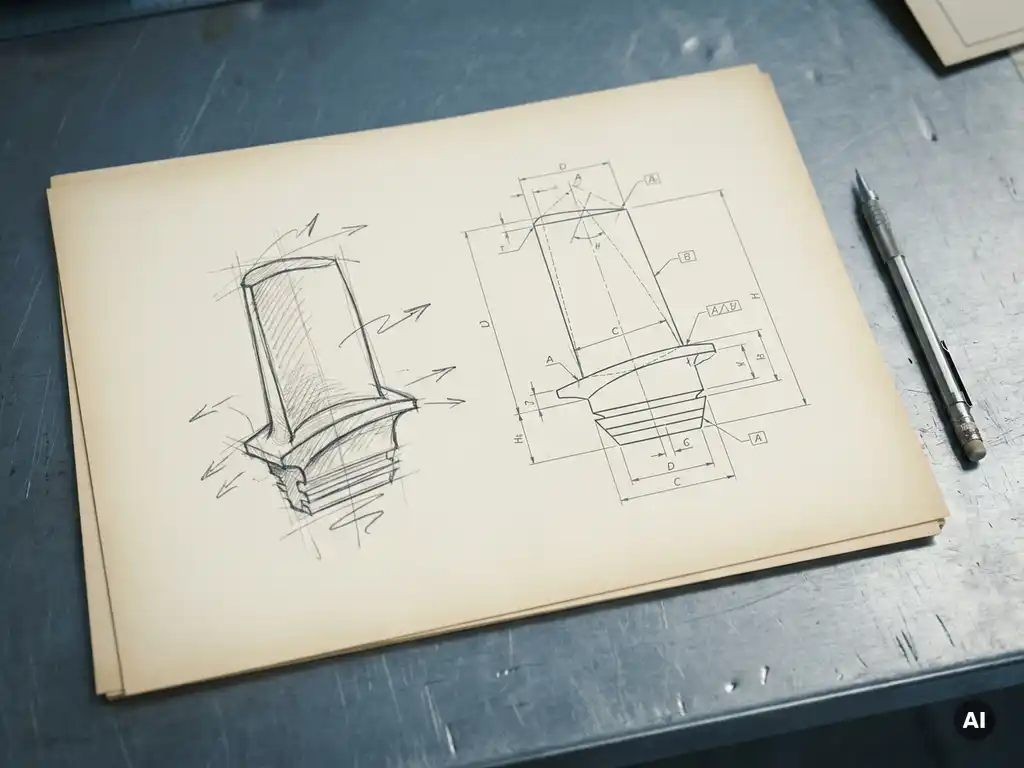
Concept design and detailed design are two distinct phases in the engineering design process. Concept design establishes what a system should do and how it might achieve that, while detailed design defines exactly how it will be built, specifying dimensions, materials, tolerances, and manufacturing methods. The two phases differ in purpose, depth, and the type of decisions being made. The sections below address the most common questions engineers and project teams have about how these phases work and where one ends and the other begins.
How do concept design and detailed design fit into the engineering process?
Concept design and detailed design are sequential phases within a broader engineering development process. Concept design comes first and focuses on exploring possible approaches to a problem. Detailed design follows and translates the chosen concept into a fully specified, buildable solution. Together, they take a project from a defined requirement to a design that can be manufactured, assembled, and tested.
In practice, most engineering development frameworks, whether in aerospace, gas turbine development, or general mechanical engineering, divide the design process into at least three stages: requirements definition, concept design, and detailed design. Some frameworks add a preliminary design phase between the two, which acts as a bridge where the preferred concept is matured before full-detail work begins.
The position of each phase matters because decisions made early are far cheaper to change than decisions made late. A concept-level choice about the number of compressor stages in an aero engine, for example, has significant downstream consequences for aerodynamics, weight, and manufacturing complexity. Getting that choice right before committing to detailed geometry avoids costly redesign work.
What are the main objectives of concept design?
The main objective of concept design is to identify and evaluate feasible approaches to meeting a set of requirements, then select the most promising one for further development. At this stage, the goal is breadth rather than depth. Engineers generate multiple candidate solutions, assess their viability, and converge on a preferred direction without committing to the full geometry or specification of any single option.
Concept design typically involves trade studies, where competing approaches are compared against criteria such as performance, weight, cost, and development risk. In aero engine development, this might mean comparing different fan architectures or evaluating whether a single-stage or multi-stage compressor better satisfies the cycle requirements.
Another objective is to identify and resolve the highest-risk technical unknowns early. If a concept depends on a technology or performance level that has not been demonstrated, concept design is the stage to flag that risk and, where possible, test it at a basic level before the project commits significant resources to a detailed solution.
By the end of concept design, the team should have a documented preferred concept, a clear rationale for why it was selected over alternatives, and an initial understanding of the key technical challenges that detailed design will need to address.
What does detailed design actually involve?
Detailed design is the process of fully defining every component and interface in a system so that it can be manufactured, assembled, and tested. Where concept design works with approximate geometries and performance estimates, detailed design produces precise drawings, material specifications, tolerance stacks, stress analyses, and interface definitions. The output is a complete technical data package.
In gas turbine and aero engine programs, detailed design encompasses a wide range of engineering disciplines working in parallel. Aerodynamicists finalize blade profiles and flow path geometry. Structural engineers size components for mechanical loads and thermal stresses. Materials engineers specify alloys and coatings. Manufacturability is reviewed to confirm that the design can be produced within the capabilities of available processes.
Detailed design also involves managing interfaces between components and systems. A turbine blade, for instance, must fit precisely into its disk, seal correctly against adjacent components, and meet cooling flow requirements defined by the combustor and turbine cooling system. Each of these interfaces must be fully specified and verified before a part can be made.
The volume of work in detailed design is substantially greater than in concept design. It is also the phase where small errors become expensive, because changes to a fully detailed drawing can cascade across multiple dependent components and analyses.
What are the key differences in deliverables between the two phases?
The deliverables from concept design are primarily analytical and comparative: trade study reports, concept sketches or simplified models, performance estimates, and a recommendation for the preferred approach. The deliverables from detailed design are primarily definitive and prescriptive: fully dimensioned drawings, material and process specifications, stress and thermal analysis reports, and interface control documents.
Concept design deliverables are intended to support a decision. They answer the question „which approach should we pursue?“ Detailed design deliverables are intended to enable execution. They answer the question „exactly how do we build this?“
Other differences in typical deliverables include:
- Concept design produces feasibility assessments and risk registers; detailed design produces verified analysis reports and design review records
- Concept design generates simplified CAD models or parametric layouts; detailed design generates fully constrained, tolerance-controlled models and drawings
- Concept design outputs a preferred concept with documented selection rationale; detailed design outputs a complete manufacturing data package
- Concept design identifies key performance requirements for validation; detailed design specifies the test conditions, instrumentation, and acceptance criteria needed to verify those requirements
When should concept design end and detailed design begin?
Concept design should end when a preferred concept has been selected, its feasibility has been established with sufficient confidence, and the key technical risks are understood well enough to proceed. The transition to detailed design is typically marked by a formal design review, often called a Concept Design Review or Preliminary Design Review, where the preferred concept and its supporting analysis are assessed by the project team and stakeholders.
Starting detailed design too early is a common source of project risk. If fundamental questions about the concept are still open, detailed design work may need to be discarded or significantly reworked when those questions are resolved. In gas turbine development, for example, beginning detailed blade design before the aerodynamic loading and cooling strategy are settled can lead to expensive redesign cycles.
The right point to transition is when the concept is stable enough that changes during detailed design will be incremental rather than fundamental. This does not mean every question must be answered, but the answers to the most consequential questions, those affecting overall architecture, key performance parameters, and major interfaces, should be in place.
How do testing and validation differ across the two design phases?
During concept design, testing tends to be exploratory and targeted at resolving specific technical uncertainties. The goal is not to validate a complete design but to gather enough data to make a confident concept selection. This might involve testing simplified rigs, sub-scale models, or individual components to check whether a particular approach is physically feasible and whether performance predictions are in the right range.
During detailed design, testing becomes more systematic and is oriented toward verification and validation of the actual design. Components and assemblies are tested against the specific requirements they must meet, using instrumentation and test conditions that replicate the intended operating environment as closely as possible.
In aerothermal component development, this distinction is particularly clear. Concept-phase testing might use a simplified compressor rig to explore the aerodynamic behavior of a candidate blade design across a range of operating conditions. Detailed-phase testing uses a fully instrumented, production-representative component to generate the validation data needed to confirm that the design meets its performance, structural, and acoustic requirements before entry into service.
The level of documentation and formal acceptance criteria also differs. Concept-phase test results inform engineering judgment. Detailed-phase test results are recorded against defined acceptance criteria and form part of the certification evidence for the product.
How AneCom supports both design phases
AneCom AeroTest provides engineering services that span both concept design and detailed design for aero engine and gas turbine programs. Whether a program is at the stage of exploring compressor architectures or validating a fully specified fan system against acoustic and aerodynamic requirements, AneCom’s capabilities are structured to support the specific needs of each phase.
- Concept-phase support: Design and analysis services to evaluate candidate configurations, generate aerothermal performance predictions, and identify technical risks early in development
- Detailed design support: Instrumentation design, assembly, and test execution for compressors, fans, combustors, and turbine components, producing the validation data needed to confirm design intent
- Acoustic validation: Testing in Europe’s largest anechoic chamber, where noise reflections are suppressed below 1% across 200 Hz to 40 kHz, providing free-field acoustic data for fan system development
- Non-destructive testing: Inspection services that support quality assurance at both prototype and production stages
- On-site and remote services: Engineering support available at customer facilities worldwide, covering design, instrumentation, and test execution from a single source
If you are planning a compressor or aerothermal component test program and want to discuss how testing can be structured to support your current design phase, contact the AneCom team to discuss your requirements.
Ähnliche Artikel
- What happens during the detailed mechanical design phase?
- When should Design for Manufacture be considered during product development?
- Why are tolerances important on mechanical engineering drawings?
- How do engineers evaluate technical risk when selecting a design concept?
- How are loads defined when designing rotating components?